
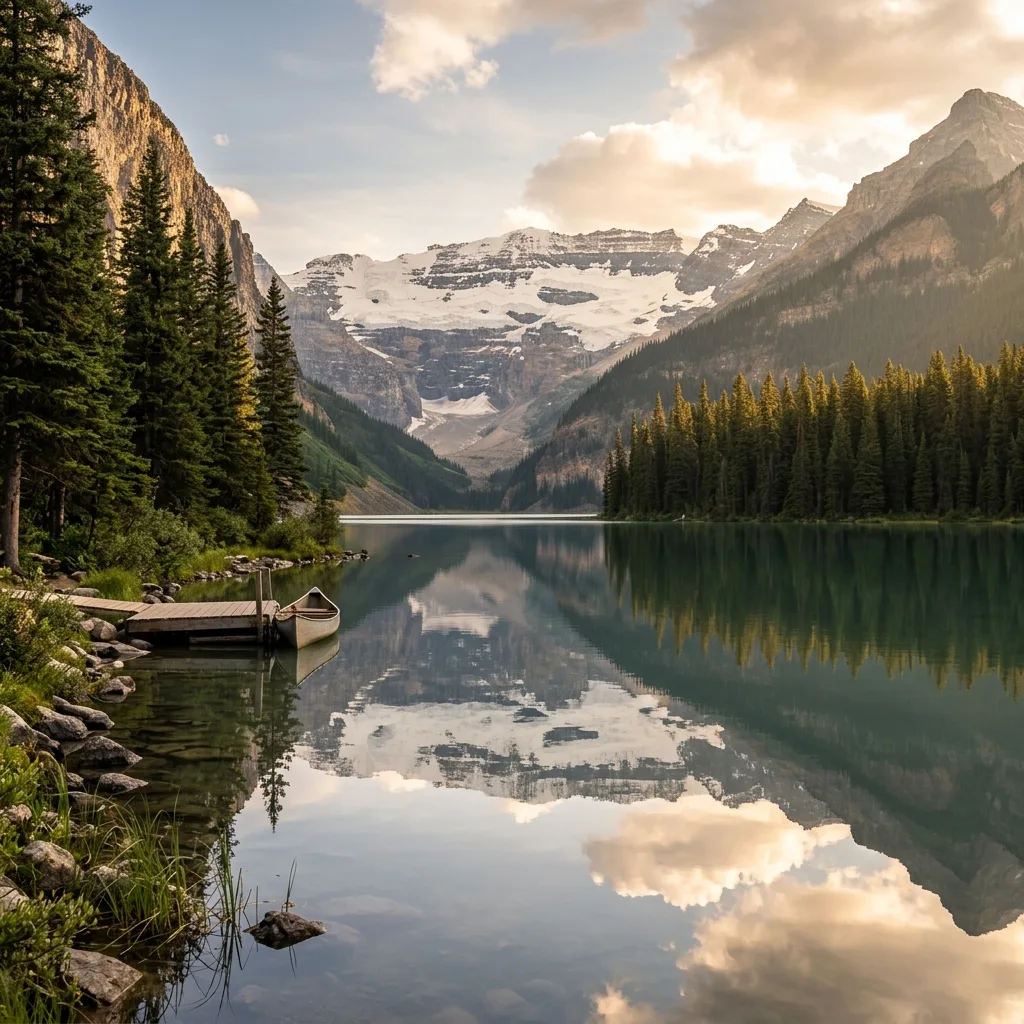
Golden-hour mountain lake with photorealistic reflections
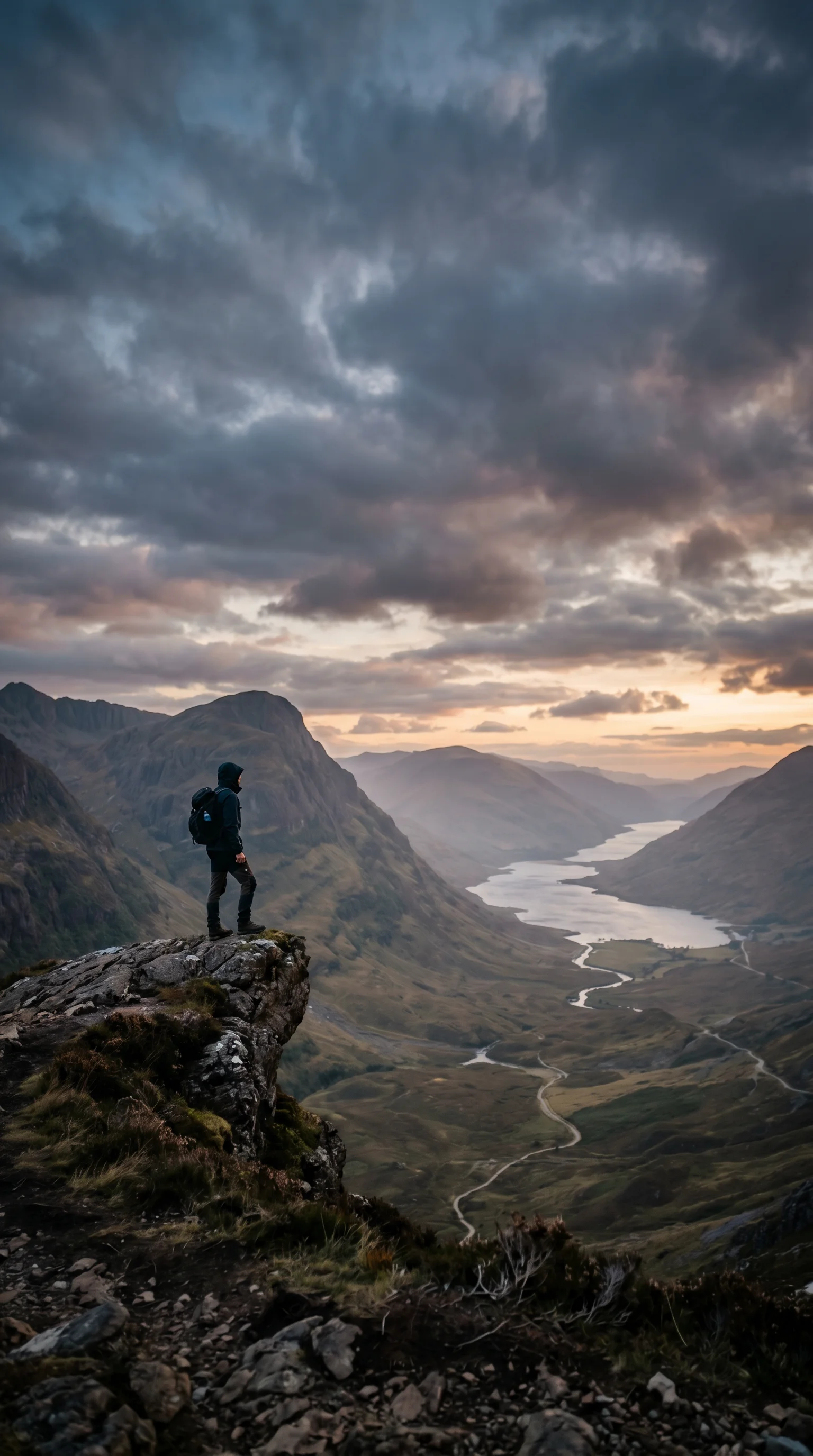
Text to Image Generator
Describe a subject, composition and style, select a current model, and review its framing, size, access and credit controls before submitting.
Who Uses Prompt-Only Image Generation?
Designers, marketers, publishers, educators and creators use prompt-only generation for new scenes, concepts, illustrations and mockups when no source image should anchor composition.
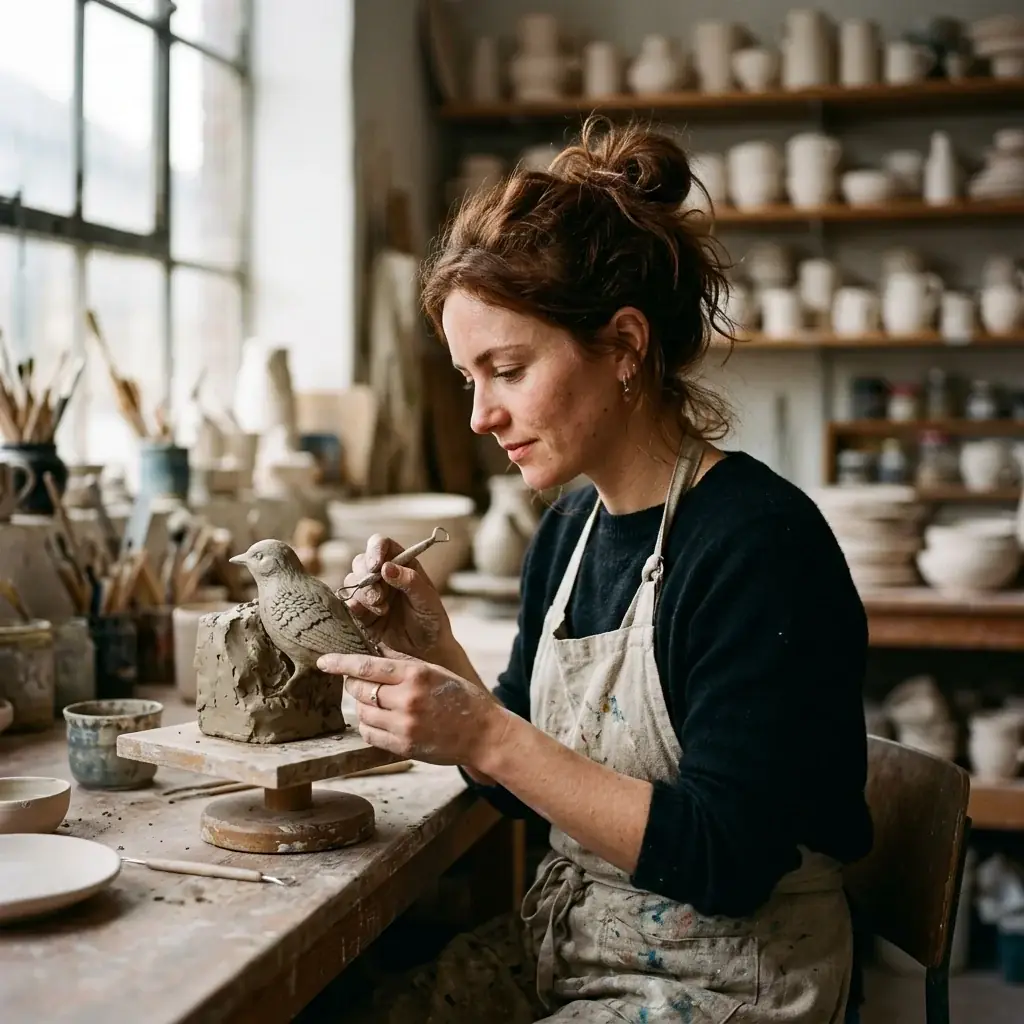
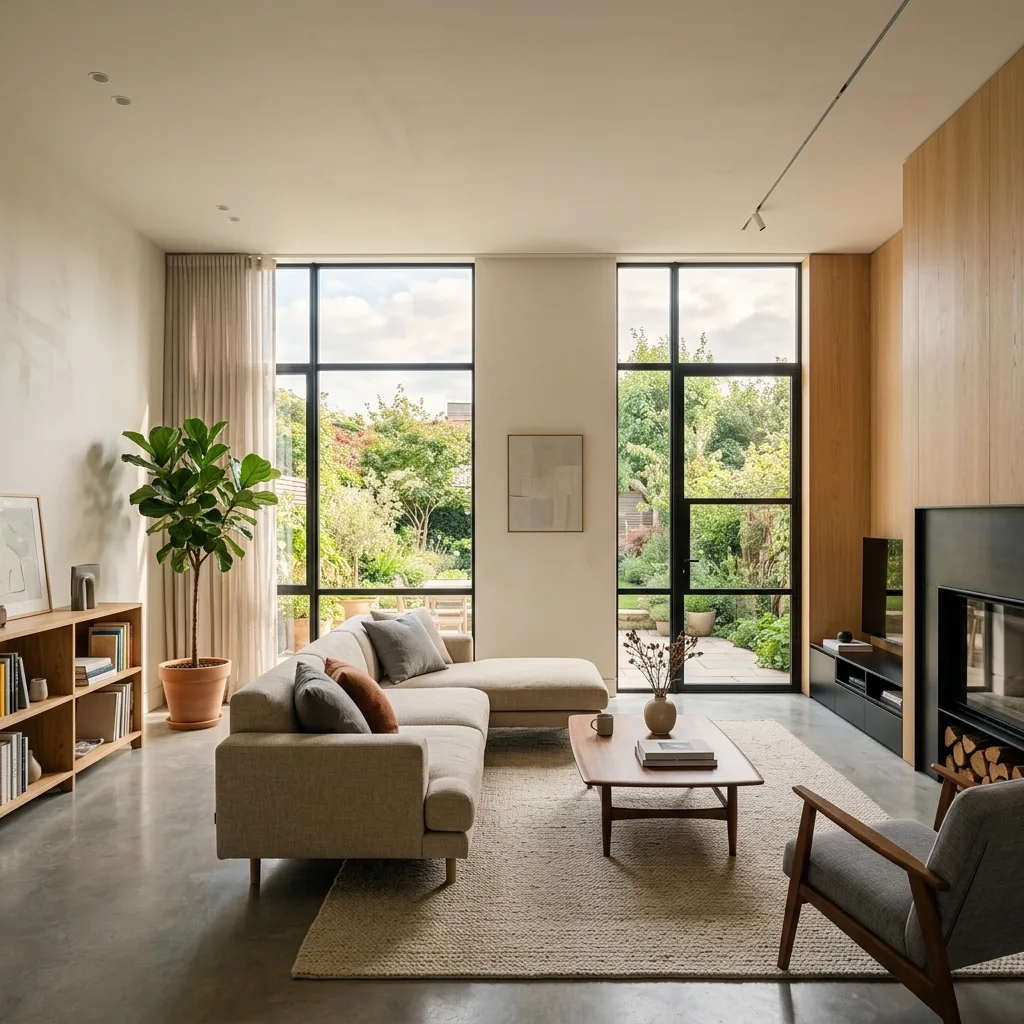
Photorealistic
Draft portraits, product scenes and architecture by naming subject, light, lens and composition; verify anatomy and product detail in every output.


Prompt Direction Examples
These examples show several prompt directions. Model choice and returned results vary, so they are not promises that every request will reproduce the same quality.
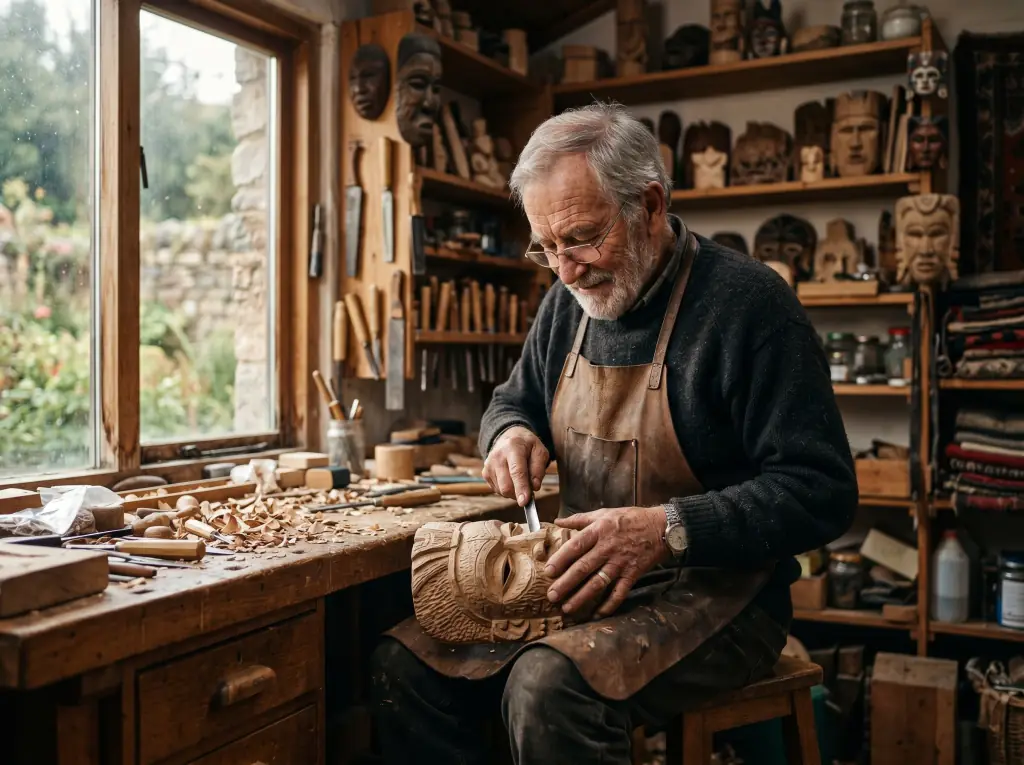


Lifelike detail from words
Photoreal Scenes
Describe a scene with light, depth and texture, then inspect physical detail and unintended artifacts.
People, avatars, creatures
Characters & Portraits
Define the subject, clothing, expression and framing; character identity is not guaranteed across separate runs.
Any medium you name
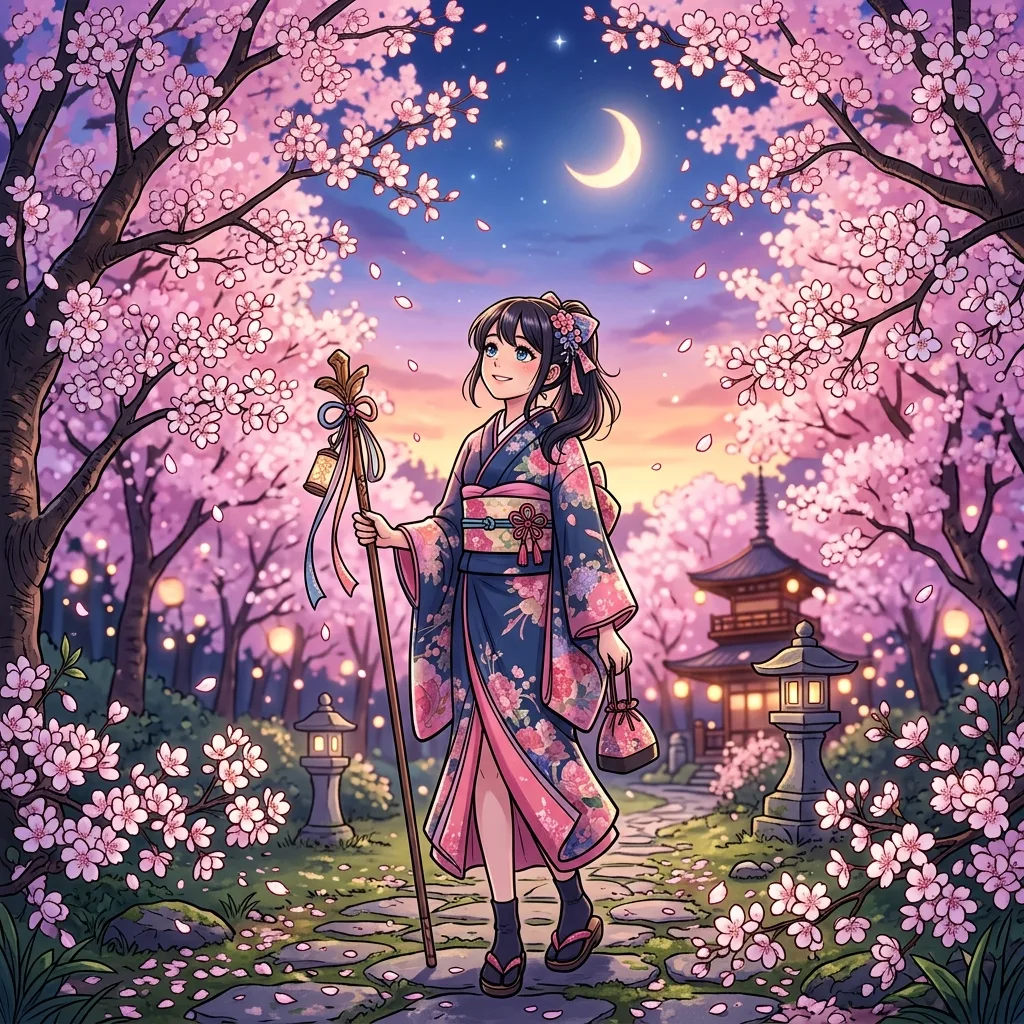
Art & Illustration
Name a medium such as anime, oil painting, flat vector, pixel art or 3D rendering and review how the selected model interprets it.
Patterns, textures, mockups
Backgrounds & Assets
Draft wallpapers, patterns and mockups, then validate tiling, dimensions and product accuracy in the appropriate design tool.
A Text to Image Workflow for Better Prompt-Only Output
Start with a clear subject and composition, add only material constraints, use the controls the selected model actually exposes, and review the result before revising one failed dimension.
1. Front-Load the Subject
The subject sets the seed
Open with the subject and action, then add composition. The first sentence should make the requested scene understandable without the rest of the page.
2. Name Specifics
Lens, light, style, era
Replace vague praise with observable details such as lens, lighting direction, material, palette and era.
3. Add a Negative Prompt
Exclude failure modes
Use exclusion or negative-prompt controls only when the selected form exposes them. Otherwise state the desired positive condition directly.
4. Tune CFG & Steps
Use only controls on screen
Resolution, guidance, seed and step controls vary by model. Change only fields visible for the current selection and compare the returned result.
What a run costs and returns
Available in the form today, each priced in the same credits.
Per run, depending on the model and length chosen.
Includes a commercial licence for what you make.
The longest prompt every model on this page accepts.
Prompt-to-Image Questions
Direct answers about model choice, prompt specificity, consistency, controls, timing, access, rights and the difference from reference-guided workflows.
Create an Image From a Prompt
Open the generator, choose an available model, confirm its visible controls and debit, then inspect the returned image before using it.